
icon Restoring Mobility

What Is TPLO?

icon Advanced Surgical Care

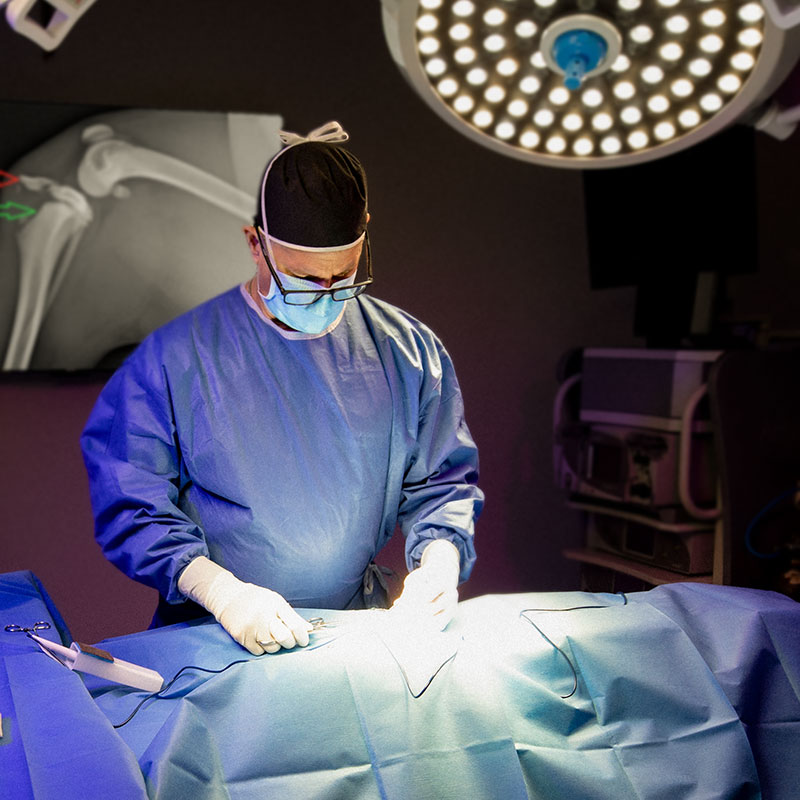
What Is TPLO (Tibial Plateau Leveling Osteotomy)

TPLO is an advanced orthopedic procedure that stabilizes the knee joint. A torn cranial cruciate ligament (ACL/CCL) is one of the most common causes of pain and mobility loss in dogs.

icon Minimally Invasive Care

Our TPLO Expertise Has Helped Thousands of Dogs

Staff member talking with pet parent at the office

icon Candidacy for TPLO treatment

Is My Pet A TPLO Candidate?

Common Signs

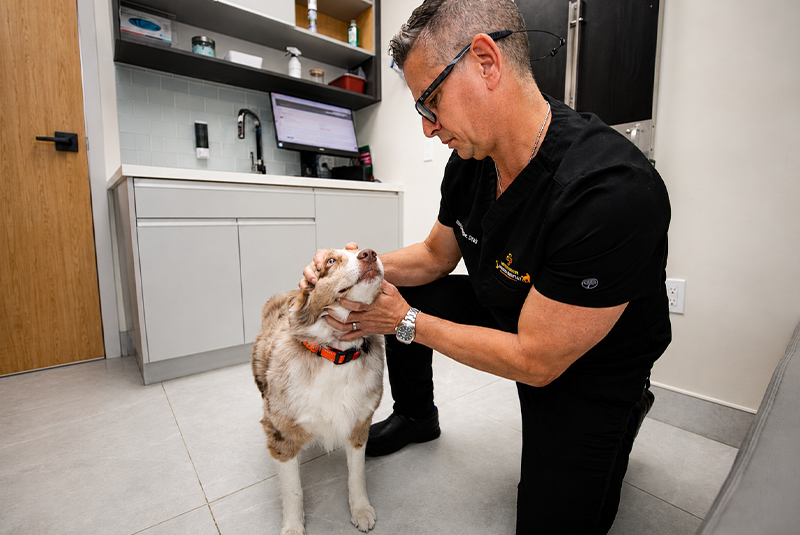
Not every limp requires surgery, but some injuries will not improve with rest alone. Recognizing early signs can help prevent ongoing pain and further joint damage. 

A proper evaluation is the only way to determine whether surgery is recommended and which options are most appropriate for your pet.

Limping or favoring one leg

Difficulty standing up or lying down

Trouble using stairs or jumping

Hesitation to play or walk

Swelling around a leg or knee

Behavior changes or withdrawal

icon Modern Medicine

What To Expect From The TPLO Procedure

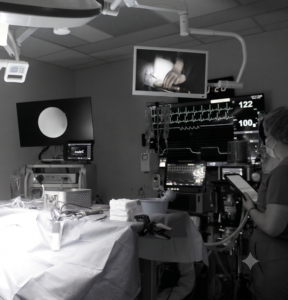
Each step of our minimally invasive TPLO procedure is focused on returning your pet to full function and confident daily activity.

Your pet is carefully sedated so they are comfortable throughout the procedure.
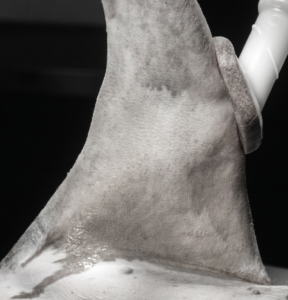
The knee area is prepared to maintain a sterile environment.
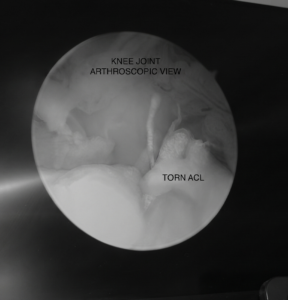
Damaged tissue in the joint is treated to support proper healing.
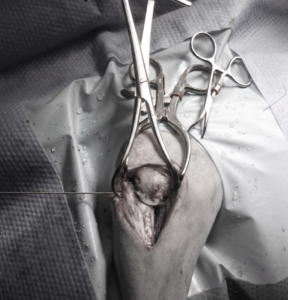
The top of the shin bone is adjusted to improve knee function.
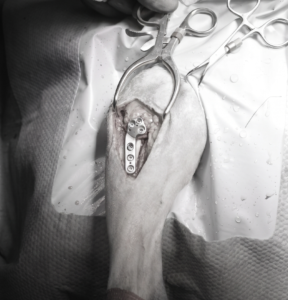
The bone is securely supported, so it can heal in its new position.
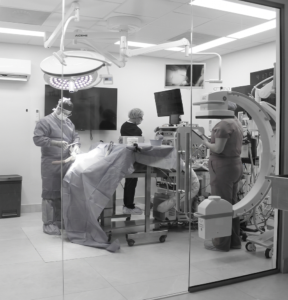
The surgical area is protected to begin recovery .

icon Recovery And Aftercare

A Clear Path

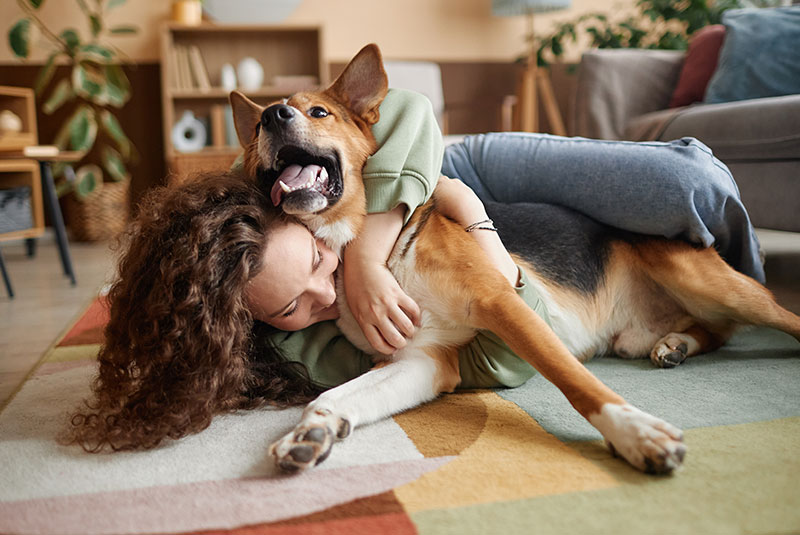
Most pet owners are surprised by how manageable modern recovery can be when the plan is clear and support is in place. Our support continues beyond the day of surgery, so you are never left wondering what comes next.

icon Recovery With Confidence

TPLO Surgery – Recovery Week by Week

Recovery following the TPLO Surgery is relatively short. It takes about 8 weeks for the bone to heal and an additional 8 weeks (for a total of 16 weeks) before the pet can resume regular, unrestricted activity.

  • Short walks on a leash to go to the toilet & plenty of downtime in a kennel, crate, or small room.‍
  • Use a sling to support them outside for the first seven days. ‍
  • Reduce the amount of food given by 30% to avoid weight gain.‍
  • No off-leash activity.
  • No jumping on or off furniture (including beds and couch).‍
  • No playing. No ball chases. No running. No jumping in or out of the car.
  • Controlled leash walks.‍
  • Walks must be performed on a short leash. Walking your dog slowly at first will help him/her gradually improve his strength. Walking slowly will also help them use the operated leg more confidently.‍
  • One walk per day for five minutes at a time is recommended. This walk is in addition to walks for elimination purposes.‍
  • Physical therapy/rehabilitation at home.‍
  • No off-leash activity. No jumping on or off furniture (including beds and couch).‍
  • No playing. No ball chases. No running. No jumping in or out of the car.‍
  • Suture recheck appointment.
  • Increase leash walks to about 10 minutes three times a day.‍
  • For pets that seem sore after 10-minute walks, reduce it to 5 minutes for 2-3 days, then gradually increase it over the following 4-5 days to 10 minutes.‍
  • Continue physical therapy/rehabilitation at home.‍
  • No off-leash activity. No jumping on or off furniture (including beds and couches).‍
  • No playing. No ballchases. No running. No jumping in or out of the car‍.
  • Continue rehabilitation/physical therapy at home.‍
  • No off-leash activity. No jumping on or off furniture (including beds and couches).‍
  • No playing. No ball chases. No running. No jumping in or out of the car.

Week 5: Increase the length of walks to 12 minutes 3-4 times per day.
Week 6: Increase the length of walks to 15 minutes 3-5 times per day.
Week 7: Increase the length of walks to 18 minutes 3-5 times per day.
Week 8: Increase the length of walks to 20 minutes 3-5 times per day.

  • Recheck radiographs appointment.‍
  • Radiographs will be taken at week 8 to confirm appropriate bone healing. If the surgery site is healing appropriately, activity restrictions are slowly lifted.‍
  • Continue physical therapy/rehabilitation.‍
  • Continue to increase the duration of the walks gradually.‍
  • Gradually introduce the off-leash activity. Avoid activities requiring sudden changes in speed and direction (ball chasing, fetch etc.)

Week 9: 5 minutes of off-leash activity 3-5 times a day.
Week 10: 5-10 minutes of off-leash exercise 3-5 times a day.
Week 11: 10-15 minutes of off-leash exercise 3-5 times a day.
Week 12: 10-20 minutes of off-leash exercise 3-5 times a day.

  • Gradually increase your dog’s activityoff-leash to 30 minutes 3-5 times a day.‍
  • You may allow jumping on and off a low bed or couch up to 2-3 times a day.

All restrictions are lifted. Continue to increase off-leash activity to pre-surgery level gradually. Although the bone may have healed, there is still plenty of time needed to rebuild the muscles supporting the knee. On average, it takes six months before your dog’s operated leg will rebuild the pre-surgery muscle mass.

icon Recovery With Confidence

A Guided Recovery, Every Step of the Way

Home in a Day or Less 

Many dogs return home either the same day or, more commonly, the day after.

Comfort + Protection Post Surgery 

Dogs are usually sent home with medication for individualized pain management and to prevent infection.

Post-Surgery Brace Support

Pets commonly receive a brace for assistance and to prevent licking in the immediate days after surgery.

24 - 48 Hour Check-Ins and Followups

Our team closely monitors your pet and checks in at 24 hours, 48 hours, and schedules a routine follow-up.

Aftercare Guidelines

Detailed home-care instructions, including activity guidelines, are provided for the week of recovery.

icon Dog Knee Brace vs TPLO Surgery

Comparing Knee Braces and TPLO Surgery

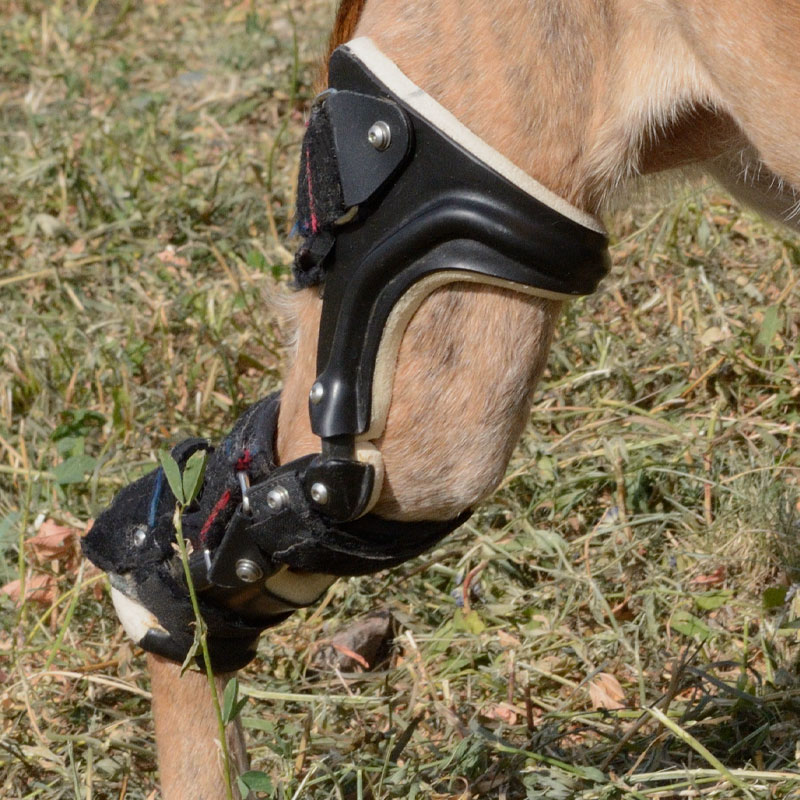
A knee brace for dogs supports the joint externally. But it does not correct joint instability.

 Over time, the knee can continue to deteriorate. Braces are considered a lower-cost alternative to TPLO surgery in dogs, while TPLO is a long-term solution for recovering mobility and quality of life.

Braces may help:

TPLO surgery:

Is Your Dog Is A Candidate for TPLO Surgery?